This blog is about Toyota Supra…..The modern Toyota GR Supra combines Toyota’s racing heritage with modern technology and sports-car engineering. Its powerful turbocharged engine, available manual transmission, and driver-focused design make it one of the most exciting performance cars in its segment.
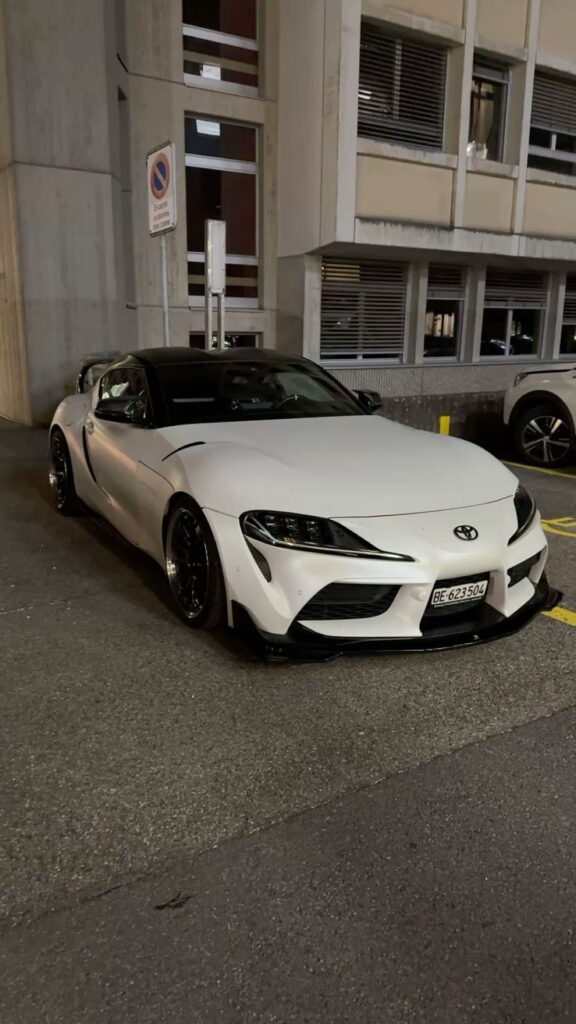
The modern Toyota GR Supra combines Toyota’s racing heritage with modern technology and sports-car engineering. Its powerful turbocharged engine, available manual transmission, and driver-focused design make it one of the most exciting performance cars in its segment.
Toyota GR Supra Engine and Performance
One of the biggest reasons enthusiasts love the Toyota Supra is its performance.
The 2026 GR Supra is powered by a 3.0-liter turbocharged inline-six engine producing 382 horsepower and 368 lb-ft of torque.
Toyota lists a 0–60 mph acceleration time of around 3.9 seconds for the 3.0-liter model.
The rear-wheel-drive configuration gives the Supra a traditional sports-car driving experience. Strong acceleration, responsive steering, and a performance-focused chassis make it suitable for both everyday driving and enthusiastic weekend driving.
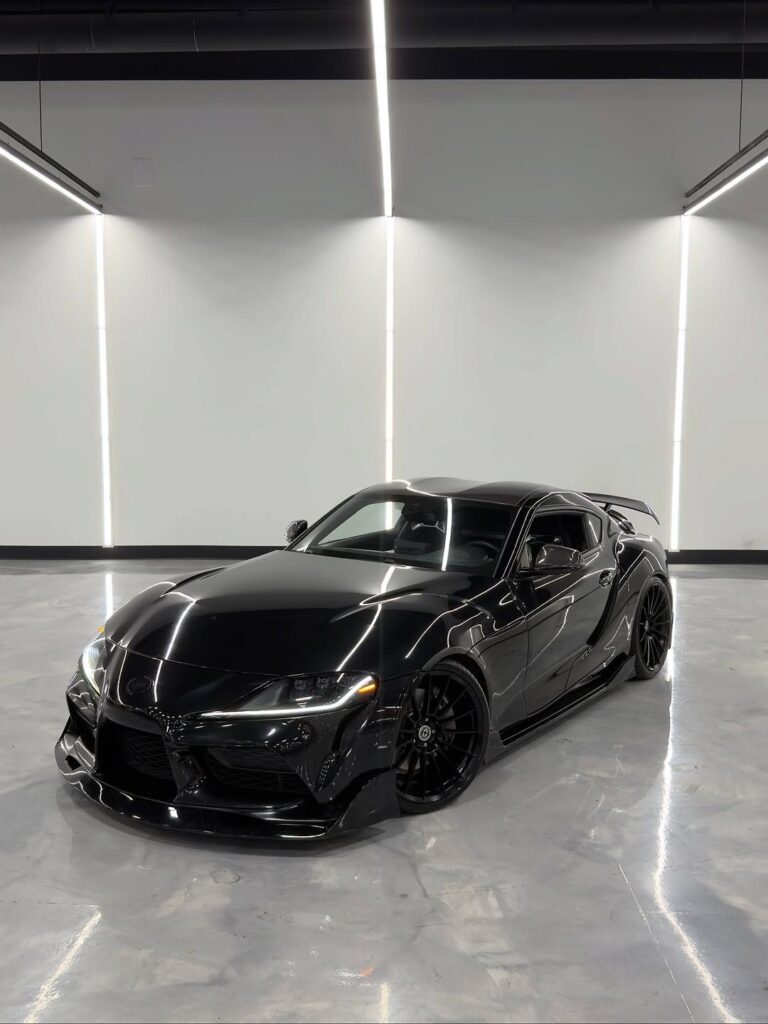
Key Engineering Highlights of the GR Supra
- Perfect 50:50 Weight Balance: By placing the turbocharged engine deep within the chassis, engineers achieved ideal weight distribution for neutral, responsive cornering.
- Short Wheelbase, Wide Track: The GR Supra features a shorter wheelbase than Toyota’s lighter GR86 coupe. Combined with wide rear tires, it offers extreme agility and high-speed stability.
- The Return of the Manual Transmission: Listening to fans, Toyota developed a custom 6-speed intelligent manual transmission (iMT) paired with a rev-matching function for driver engagement.
Toyota Supra Exterior Design
The Toyota Supra design is one of its most recognizable features.
The car has a low and wide stance, sculpted body panels, a distinctive roofline, large air intakes, and an aerodynamic body. Its compact proportions give it a dramatic sports-car appearance.
The GR Supra’s design also pays tribute to Toyota’s performance-car heritage while giving the fifth-generation model its own modern identity.
For enthusiasts looking for a more track-focused appearance, special versions of the Supra feature additional aerodynamic and carbon-fiber components.
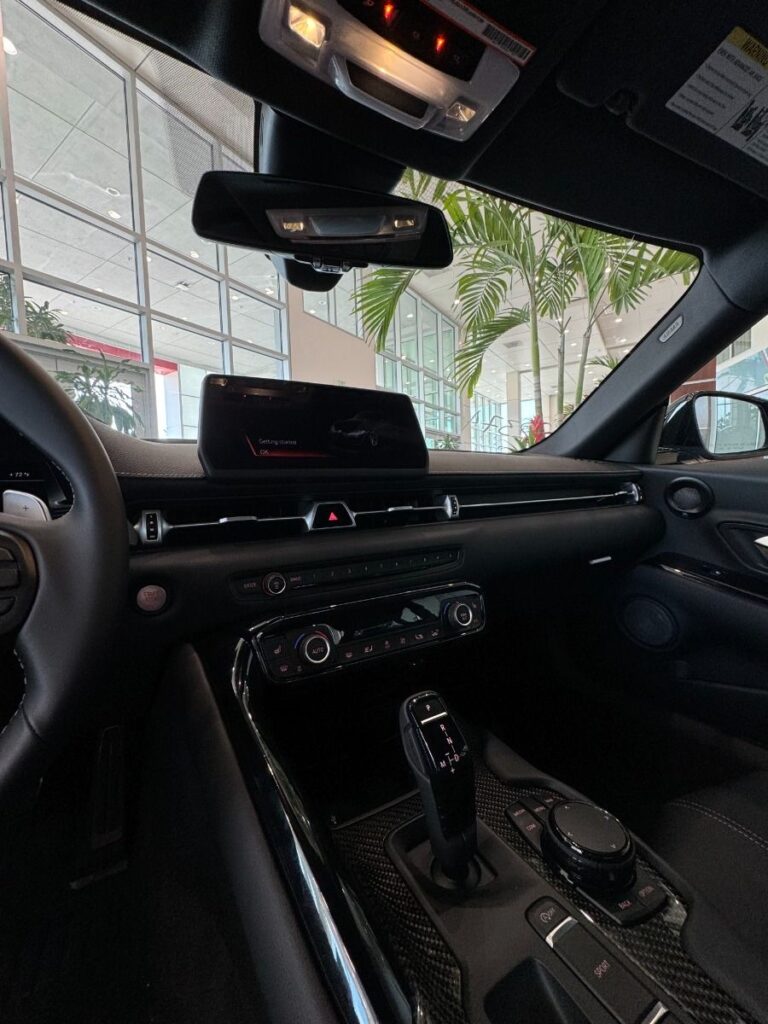
Toyota Supra Interior and Features
Inside, the Toyota Supra has a driver-focused cabin designed around the needs of performance-car enthusiasts.
Depending on the trim, available equipment can include:
- Sport-focused seats
- Modern infotainment technology
- Smartphone connectivity
- Premium JBL audio system
- Advanced driver-assistance features
- Sport-oriented controls
- Digital instrumentation
The two-seat configuration also reinforces the Supra’s purpose as a dedicated sports car rather than a family vehicle.
Toyota Supra Price
The Toyota Supra price depends on the model, trim, options, market, taxes, and dealer charges.
For the U.S. market, the 2026 GR Supra starts at approximately $58,300, while higher trims and special editions cost more.
Because pricing and availability can change, prospective buyers should check Toyota’s official website or their local Toyota dealer for the latest information.
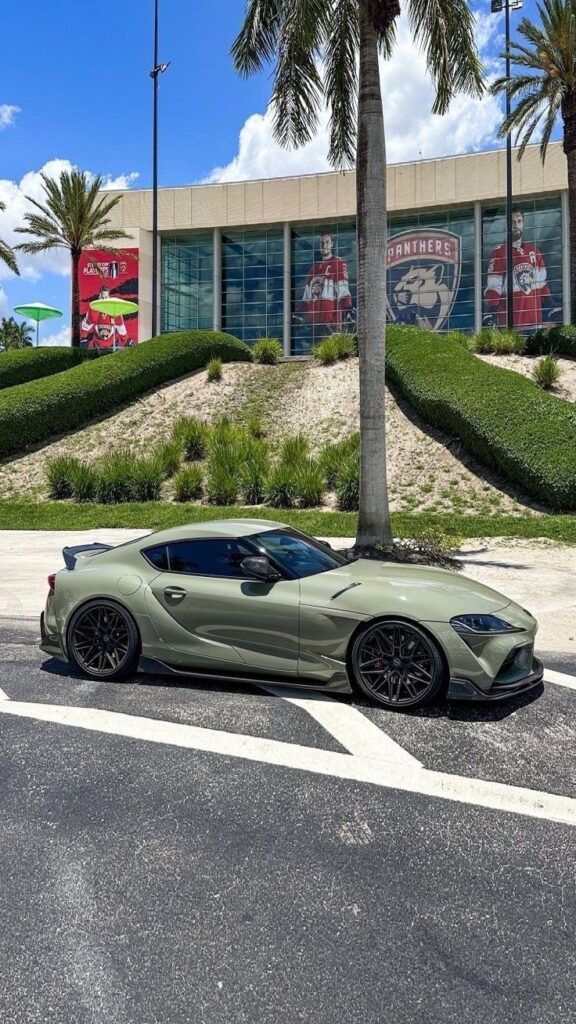
Origins & Early Generations (1978–1993)
Celica Roots: Launched in 1978 as the Celica Supra (A40/A50) to directly compete against Nissan’s Z-car lineup in North America.
Inline-Six DNA: From day one, Toyota specified that every Supra must feature an inline-six cylinder engine, stretching the front front-end of the Celica body to accommodate it.
Becoming Standalone: In 1986, the third-generation (A70) dropped the “Celica” nameplate entirely, gaining its own chassis, double-wishbone suspension, and the turbocharged 7M-GTE engine.
The Legendary MK4 Supra (1993–2002)
- The 2JZ-GTE Engine: The fourth-generation (A80) introduced the 3.0L twin-turbo 2JZ engine, famous for its indestructible cast-iron block.
- Massive Tuning Limits: Factory-rated at 320 HP, tuners quickly discovered the stock engine block could handle 800+ horsepower on original internal components.
- Aerodynamic & Weight Reduction: Featured an aluminum hood, hollow-fiber carpet, and a functional high-rear wing, saving over 200 lbs compared to the previous generation.
- Pop Culture Icon: Became a global JDM legend after starring as Paul Walker’s hero car in The Fast and the Furious (2001).
The Modern GR Supra (A90 / 2019–Present)
Gazoo Racing Rebirth: Returned after a 17-year hiatus in 2019 under Toyota’s GR performance division, engineered in partnership with BMW.
BMW Partnership Benefits: Utilizes a rigid chassis shared with the BMW Z4 and BMW’s praised 3.0L B58 turbocharged inline-six engine.
382 Horsepower Output: Modern 3.0L models produce 382 HP and 368 lb-ft of torque, propelling the coupe from 0 to 60 mph in just 3.7 seconds.
Manual Transmission Return: Responding to community demand, Toyota introduced a custom 6-speed intelligent manual transmission (iMT) for the 3.0L trim.
Final Verdict
The Toyota Supra remains one of the most recognizable performance cars in the world. Its combination of powerful engine performance, rear-wheel drive, aggressive styling, modern technology, and available manual transmission gives it a strong appeal among sports-car enthusiasts.
The 2026 model is especially notable because it marks the final production year of the current fifth-generation Supra. For anyone searching for a Toyota Supra price, specs, engine, performance, features, or history, the GR Supra remains an important name in the modern sports-car market.
Leave a Reply